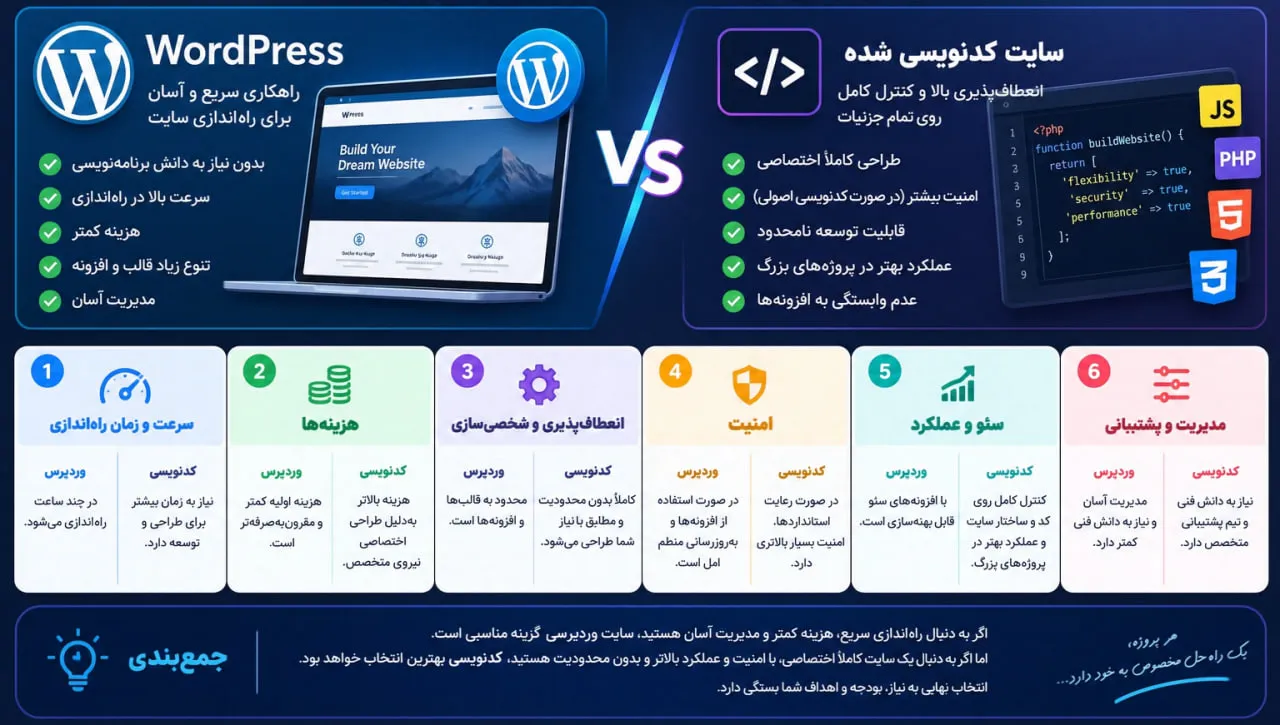
What Is SEO? A Complete Guide to Search Engine Optimization
Today, having an online presence has become one of the most important factors in business success. Millions of websites compete to attract visitors, promote their services, and sell their products.
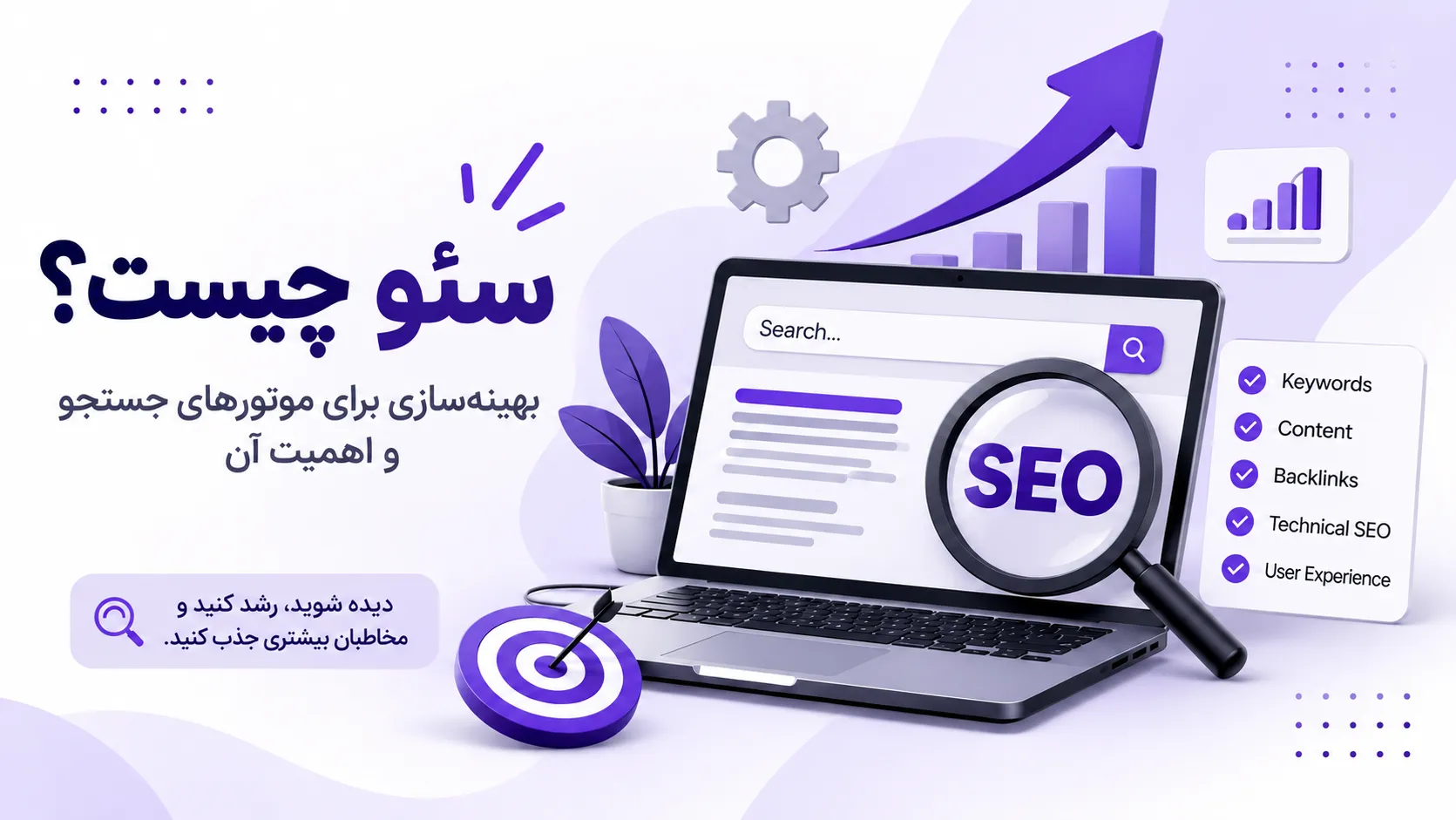
What Is SEO (Search Engine Optimization)?
SEO stands for Search Engine Optimization.
In simple terms, SEO refers to the process of improving a website's content, structure, technical performance, and overall credibility to increase its visibility in organic search engine results.
For example, imagine someone searches for "web design services" on Google.
Google analyzes millions of web pages and displays results that it considers relevant and useful for that particular search.
If your website is properly optimized for this topic, it has a better chance of appearing higher in search results.
It is important to understand that SEO is an ongoing process. No legitimate SEO strategy can guarantee the first position on Google.
How Do Search Engines Work?
To understand SEO, you first need to understand how search engines discover, process, and rank web pages.
Google mainly uses three essential processes:
1. Crawling
Crawling is the process of discovering web pages across the internet.
Search engines use automated programs called crawlers or bots. Google's main crawler is known as Googlebot.
These bots discover new pages by following links, checking websites, and accessing XML sitemaps.
A well-organized website structure makes it easier for search engines to discover and access your content.
2. Indexing
After discovering a page, Google analyzes its content, images, and other important information.
If the page meets Google's requirements, it may be stored in Google's index.
This process is called indexing.
A page that has not been indexed generally cannot appear in Google's standard organic search results.
However, being crawled does not automatically mean that a page will be indexed.
3. Ranking
Ranking is the process of determining the order in which web pages appear in search results.
Google evaluates different signals to identify the most relevant and useful pages for each search query.
Some important considerations include:
Content relevance and quality
Website usability
Page experience
Website authority and reputation
Internal and external links
Page loading performance
Mobile compatibility
The goal is to provide users with the most useful results for their searches.
What Are the Main Types of SEO?
SEO is generally divided into three main categories: On-Page SEO, Off-Page SEO, and Technical SEO.
1. On-Page SEO
On-Page SEO refers to all optimization activities performed directly on your website's pages.
Its main purpose is to improve content quality, page structure, and relevance for both users and search engines.
Important On-Page SEO techniques include:
Using relevant keywords naturally throughout the content
Writing descriptive page titles (Title Tags)
Creating effective meta descriptions
Organizing content with H1, H2, and H3 headings
Optimizing images and adding descriptive ALT text
Creating relevant internal links (Internal Linking)
Publishing original and useful content
Using clear and SEO-friendly URLs
For example, if you publish an article about website design, your title, headings, description, and content should all be relevant to that subject.
2. Off-Page SEO
Off-Page SEO includes activities performed outside your website to improve its reputation, authority, and online visibility.
One of the most important elements of Off-Page SEO is backlinks.
A backlink is created when another website links to one of your web pages.
However, the number of backlinks is not the only important factor. The quality, relevance, and credibility of linking websites also matter.
Common Off-Page SEO techniques include:
Earning backlinks from reputable websites
Publishing content that other websites want to reference
Building brand awareness
Digital public relations (Digital PR)
Participating in relevant online communities
Developing relationships with websites in your industry
Artificial link-building practices designed to manipulate search rankings can violate Google's spam policies and may result in ranking losses or other penalties.
3. Technical SEO
Technical SEO focuses on improving the technical structure and performance of a website.
Its main purpose is to make it easier for search engines to crawl, understand, and index website pages while providing visitors with a better experience.
Important Technical SEO factors include:
Improving website loading speed
Optimizing mobile responsiveness
Using HTTPS security
Creating and submitting an XML sitemap
Configuring the Robots.txt file
Fixing broken links
Resolving crawling and indexing issues
Implementing canonical tags correctly
Using structured data (Schema Markup)
Improving Core Web Vitals
For example, if your website loads slowly, visitors may leave before viewing your content.
Improving technical performance can help create a better user experience and support your overall SEO strategy.
Why Is SEO Important for Businesses?
SEO is an important part of digital marketing because it helps businesses attract potential customers through organic search results.
Some of its main benefits include:
Increasing Organic Traffic
Organic traffic refers to visitors who reach your website through unpaid search engine results.
Improving your website's search visibility can increase the number of visitors who discover your products, services, or content.
Building Brand Credibility
Appearing consistently in relevant search results can help people become more familiar with your brand.
Over time, useful content and a strong online presence can contribute to greater brand recognition and trust.
Reducing Dependence on Paid Advertising
Paid advertising generally generates traffic while you continue spending money on campaigns.
SEO, on the other hand, can continue attracting visitors through well-performing pages even after the initial optimization work is completed.
However, SEO also requires ongoing investment in time, content, and maintenance.
Increasing Sales and Generating Leads
People searching for phrases such as "buy a laptop" or "professional web design services" may already be interested in purchasing a product or service.
Appearing in relevant search results can help businesses reach these potential customers and generate more sales opportunities.